

Self-regulation tools in stressful situations
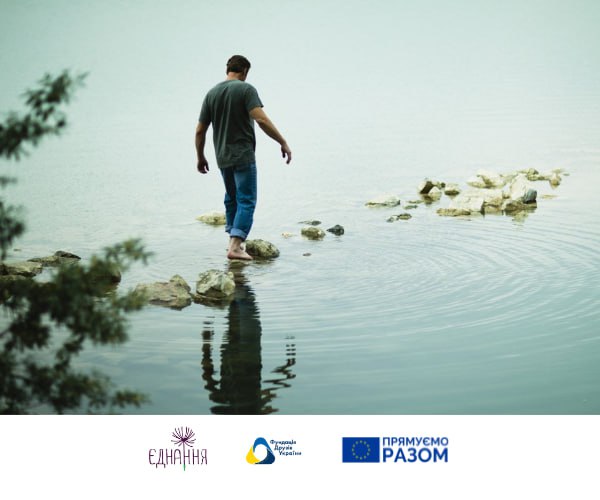
Stress is an integral part of our lives. Whether it’s running for the bus, a challenging work situation, or a life-changing loss, stress can happen to any of us. However, it is important to learn how to effectively regulate this stress and control emotions to improve your mental health and quality of life.
Learning methods of self-regulation of emotions and stress
Self-regulation is the ability to control one’s emotions and stress reactions. It plays an important role in maintaining mental health and reducing the negative effects of stress. However, how do you self-regulate your emotions?
Conscious observation of emotions: First, it is important to recognize and identify your emotions. Understanding what is bothering you is the first step to controlling them.
Breathing techniques: Deep and mindful breathing can help reduce stress. Practice breathing where you breathe in through your nose, hold it, and let it out through your mouth.
Meditation: Meditation is a practice of focus that helps reduce stress and calm the mind. There are numerous apps and online courses to learn how to meditate.
Physical activity: Regular physical activity promotes the production of endorphins, which boost mood and help reduce stress.
Psychotherapy: In the case of severe stress or long-term anxiety, psychotherapy can be an effective means of self-regulation. A psychologist or therapist can help you understand and manage your emotions.
Practical exercises and techniques for self-regulation
Self-massage of the head: Close your eyes and massage the crown of your head with both hands. This will help you to relieve tension and relax.
Imagery aphrodisiac: Imagine that you are on a warm beach or in another peaceful place. Try to feel all the details of this place, from the sound of the sea to the smell of the air.
Daily emotion journal: Keeping a journal about your own emotions and stressors can help you understand and control your reactions.
Music and art: Listening to your favorite music or doing creative activities such as painting or crafts can take your mind off stress and improve your mood.
Social support: Reaching out to friends and family for conversation or support is also an important part of self-regulation.
Self-regulation tools can be helpful in times of stress and trauma. They can help maintain mental health and increase your ability to cope with the challenges of life. By learning and practicing these methods, you will be prepared to better cope with stress and trauma.
The publication was published by the Friends of Ukraine Foundation within the framework of the EU Urgent Support for Civil Society project, implemented by ISAR Ednannia with the financial support of the European Union.