



“Psychological Support in Times of Crisis – It Matters”
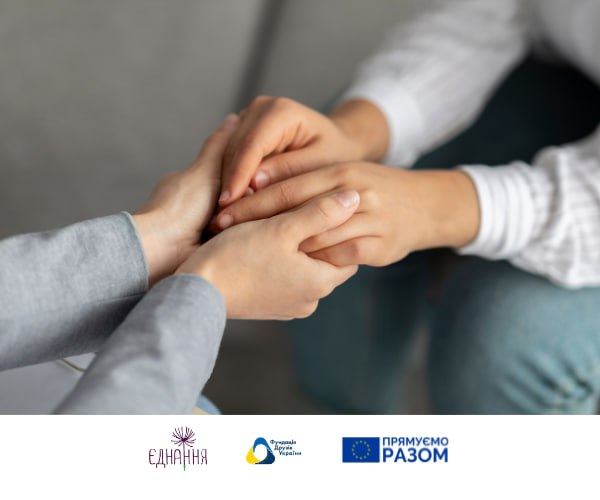
In every individual, regardless of their strength and resilience, there are moments when life presents challenges of great significance. These challenges often come with stress, making psychological support essential. When we talk about crisis situations, such as war, psychological stress becomes an incredibly relevant and important aspect affecting a person’s mental health. In this article, we will discuss the definition of psychological stress, its impact on mental health, and why psychological support is an integral component in times of major crises, like war.
Psychological Stress: Definition and Impact
Psychological stress is the body’s response to negative events, difficult situations, or threats that cause psychological discomfort and tension. During times of war, especially in today’s era of widespread information, people encounter numerous stressors, such as threats to their own and their loved ones’ safety, loss of loved ones, an uncertain future, and the burden of psychological stress that becomes too significant to ignore.
The impact of psychological stress on mental health can be serious and varies from person to person. Some primary manifestations of psychological stress include:
Psychoemotional Reactions: Intense emotional reactions such as anxiety, fear, depression, anger, and mood disturbances.
Physical Symptoms: Physical symptoms like muscle pain, headaches, sleep problems, gastrointestinal issues, high blood pressure, and weakened immune function.
Behavioral Changes: People may react to stress with changes in behavior, such as worsened eating habits, substance abuse, or social isolation.
Psychosocial Consequences: Stress can affect relationships with family, colleagues, or society as a whole.
The Importance of Psychological Support During War
During wartime, psychological support is crucial for preserving mental health. Here are several aspects that make psychological support critically important:
- Assistance in Understanding and Overcoming Stress: Psychologists and psychotherapists help individuals recognize and effectively overcome psychological stress. This can involve relaxation techniques, cognitive-behavioral therapy, and counseling.
- Emotional Expression Support: Conversations with experts can help people express their feelings, which they may suppress or hesitate to share with others. This reduces internal tension.
- Development of Coping Strategies: Psychologists provide tools and strategies to develop resilience and effectively manage stress.
- Reducing Social Isolation: Psychological support creates a favorable environment for communication and support from family, friends, and the community, reducing feelings of loneliness.
- Preserving Long-Term Mental Health: Psychological support not only helps individuals cope with current stress but can also have a lasting impact on their ability to face future challenges.
In Conclusion
In a military conflict, psychological support is essential for preserving mental health and ensuring a quality life afterward. Understanding the significance of psychological support and seeking help from professionals can help individuals not only overcome stress but also become more resilient and better equipped to handle life’s most significant challenges. Remember that with fear and stress, you can cope, and with psychological support, you can not only survive but also grow as a person.