
How to talk to children about war
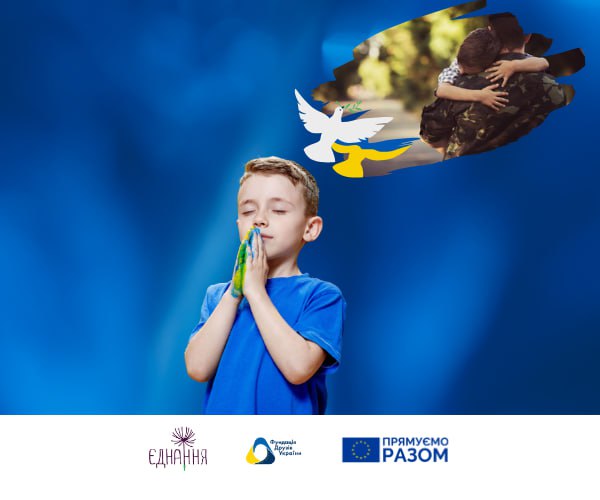
Children and war
In times of crisis, such as war, children are particularly vulnerable and need special support and understanding from their parents and teachers. If we understand the psychological characteristics of children during a crisis and follow the right approaches to communication, we can help them better understand and cope with the stress of war.
Psychological characteristics of children in times of crisis.
- Age and growth: Children’s reactions to war will vary depending on their age and level of mental development. Younger children may not fully understand the situation, while adolescents may be more aware and react to war more complexly.
- Magical thinking: Younger children may believe that their own actions or the actions of others can influence the war situation. Parents should explain that it is not their fault.
- Fear and anxiety: Children may feel fear and anxiety about the unknown. It is important to create a safe atmosphere where they can express their feelings and questions.
- Lack of control: Children may feel a lack of control over their lives during wartime. It is important to give them choices in some aspects of their day.
Recommendations for parents and teachers on talking about war with children
Calmness and support: Try to stay calm, even if you are feeling scared. Children trust adults more who show that they can manage the situation.
Openness and honesty: Speak frankly with children, but in a way that is age-appropriate. Answer their questions honestly and do not make promises you cannot keep.
Understanding feelings: Help children understand their feelings and ask them how they are feeling. This will help them express their emotions more easily.
Overcoming fear: Provide information and tools to help them overcome fear. Explain to children that there are some safety measures they can take.
Maintaining a routine: Create a stable routine for children, including time for learning, play and rest.
Listening and support at school: Teachers can also play an important role in supporting children. Talk to them about how they can provide support at school.
Seeking professional psychological support: If you feel that your child is very stressed, contact a psychological professional who specializes in working with children.
With the right approach to talking to children about war, we can help them better understand and cope with the stress associated with this difficult situation. It is important to remember that openness, support and safety are key components of effective communication with children during war.
The publication was published by the Friends of Ukraine Foundation within the frames of the project “EU Urgent Support for Civil Society” implemented by ISAR Ednannia with the financial support of the European Union.