

“Resilience in Times of War: The Path to Overcoming Stress and Anxiety”

War is undoubtedly one of the most significant and frightening challenges that both individuals and society can face. It disrupts our everyday lives and presents challenges that we may not always feel prepared to meet. However, it’s in the midst of war that the true strength of resilience is revealed – the ability to cope with stress, adapt to difficult conditions, and find a way forward even when everything seems hopeless. In this article, we will explore what resilience is and how it can be harnessed to overcome the challenges of war and build a brighter future.
Understanding Resilience
Resilience is more than just a synonym for “strength” or “toughness.” It is a deeply ingrained psychological quality that helps individuals adapt to stress and traumatic situations without breaking down. Resilience is about not only surviving but also thriving under significant pressure. It’s the ability to bend without breaking.
Key Components of Resilience:
Positive Thinking: Resilience involves the ability to find silver linings even in the most challenging situations. Research shows that positive thinking increases life satisfaction and aids psychological recovery, even in the midst of war.
Social Support: Interacting and receiving support from other people play a vital role in developing resilience. For example, statistics demonstrate that individuals with active social connections better handle stress and feelings of loneliness during conflicts.
Realistic Assessment: Resilience requires an objective evaluation of circumstances and possibilities. Statistics indicate that those who can assess situations from various perspectives adapt better to changes and find effective solutions.
Adaptation to Change: Resilience encompasses a readiness for change. For instance, data confirms that those who quickly adapt to new conditions have a higher chance of survival and success.
Ways to Boost Resilience:
Improving Thought Patterns: Cultivate a positive way of thinking by practicing gratitude and focusing on the positive aspects of life, personal achievements, and small victories. For example, the “five gratitude things” technique can increase life satisfaction even in times of war.
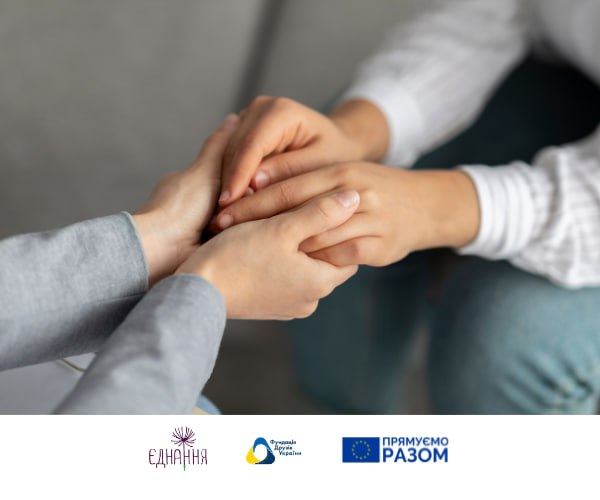
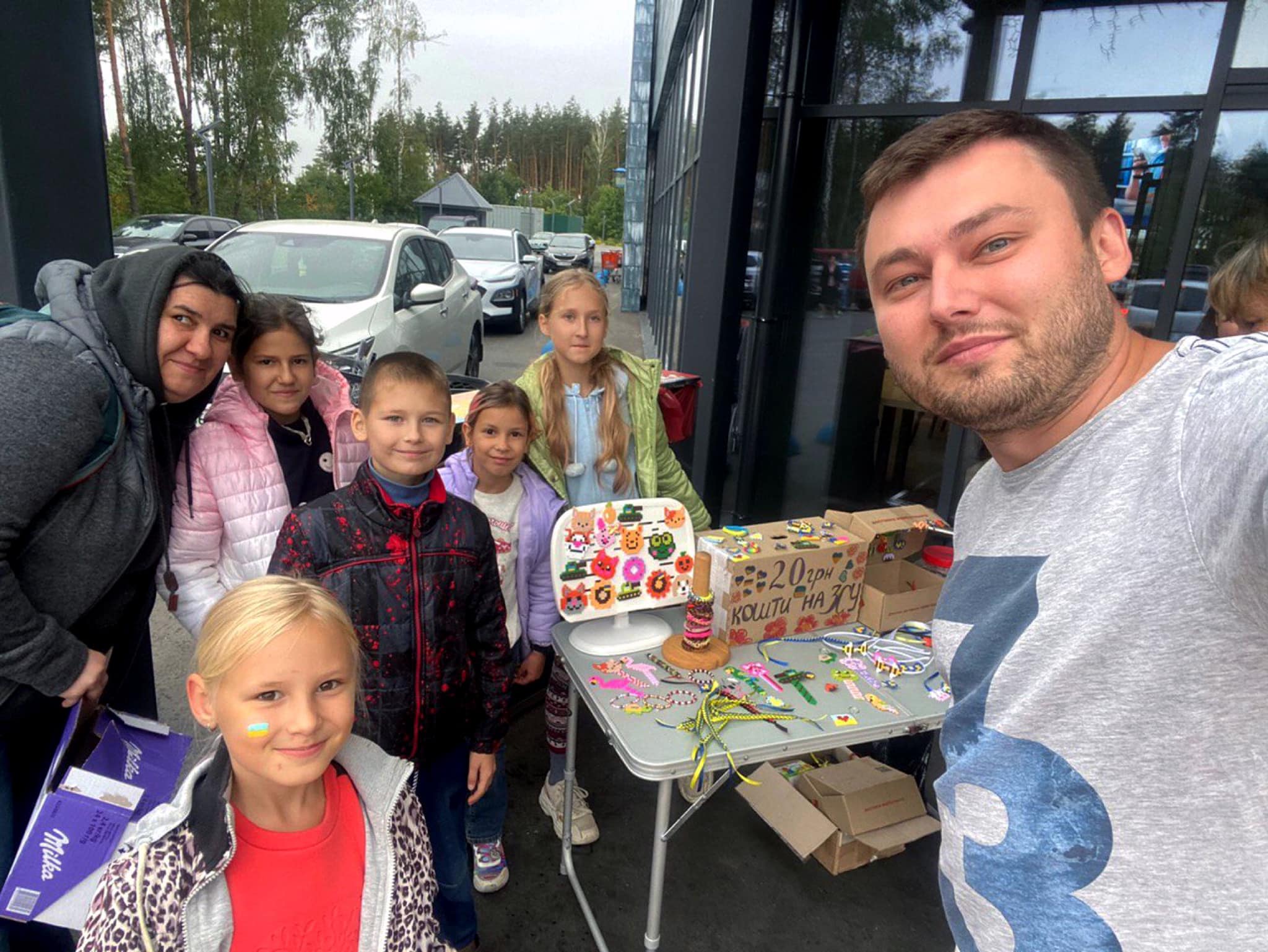
Strengthening Community: Interacting with others creates a sense of belonging and support. Joy shared with others is increased, and sorrow becomes more manageable. Therefore, do not underestimate the power of community support in coping with stress and difficult life circumstances.
Maintaining Physical and Mental Health: Proper nutrition, physical activity, and relaxation are essential components of resilience. There is substantial scientific evidence demonstrating the positive impact of physical health on mental well-being.
Psychological Support: Seeking psychological support to overcome trauma and stress is crucial. Statistics show that individuals receiving psychological help recover more quickly and develop resilience.
Conclusion
In times of war, developed resilience is an indispensable condition for coping with stress, trauma, and complex circumstances. Positive thinking, social support, realistic assessment, and readiness for change are key components of resilience. By developing these skills and receiving active community support, you can increase your own resilience and simplify the process of adapting to the most challenging conditions. Resilience makes us stronger, helps us navigate difficult times, and build a future based on hope and growth.